
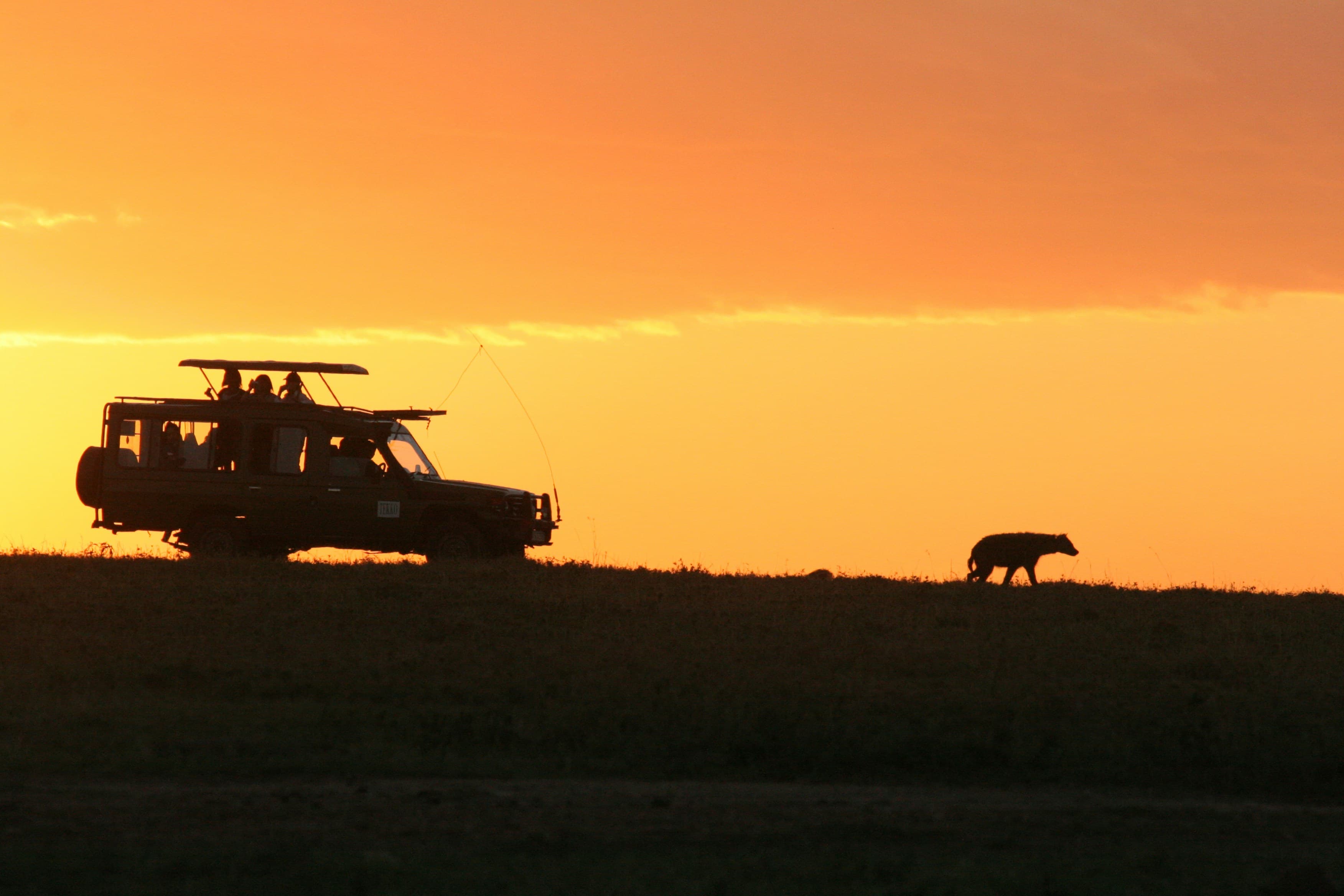
Best Safari Destinations: Top African Parks, When to Go, and Wildlife Highlights
Dreaming of close-up wildlife moments, endless savannas, and star-filled nights? This guide to the best safari destinations distills Africa’s most iconic reserves and when to visit them, so you can plan wildlife holidays that deliver unforgettable sightings and smooth logistics.
From the Great Migration in East Africa to the floodplains of Botswana and the legendary private reserves of South Africa, these African safari destinations are handpicked for first-timers and seasoned travelers alike. Use this roundup to decide where to go, the ideal season, and the experiences that make each place special.
By Daniel Foster
Why These Are the Best Safari Destinations
We focused on reserves with reliable game viewing, diverse habitats, excellent guiding, and a strong record of conservation and community engagement. Each entry highlights classic species, signature experiences, and typical best times to visit. Whether you’re after big cats, mega-elephants, or bird-rich waterways, these are among the best places for safari across the continent.
Top African Safari Destinations
Serengeti National Park, Tanzania
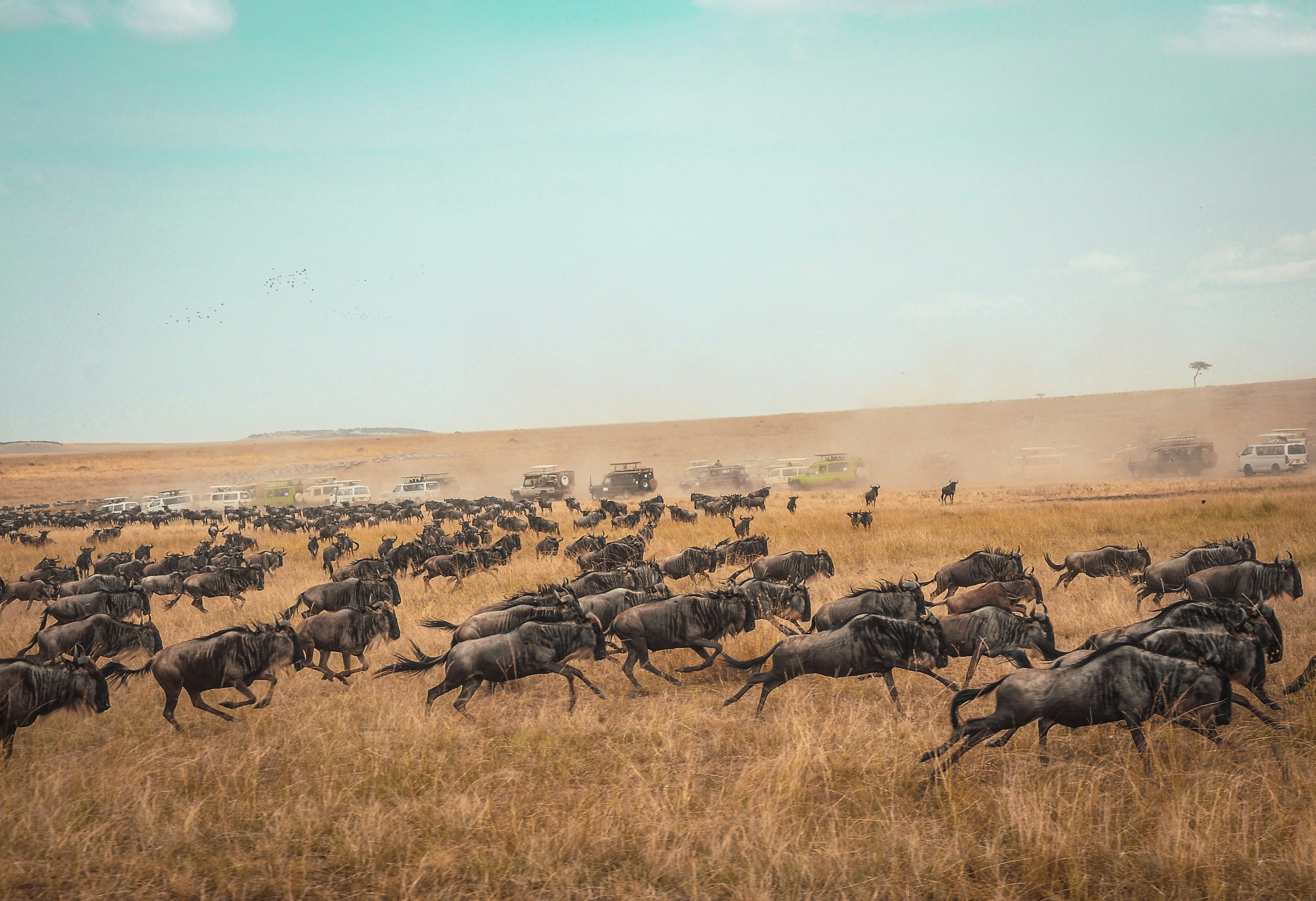
The Serengeti is synonymous with big skies, lion prides, and the Great Migration of wildebeest and zebra. Calving season typically runs from January to March on the southern plains around Ndutu, drawing predators and dramatic hunts. The herds drift west and north from about May to July, with famous Mara River crossings generally July to October in the far north, before returning south with the short rains (around November–December). Year-round, it’s a powerhouse for big cats and classic savanna scenes.
Maasai Mara National Reserve, Kenya
Bordering the Serengeti, the Mara offers outstanding predator action and broad, photogenic grasslands. Migration herds usually arrive between July and October, though resident wildlife makes the reserve rewarding all year. Expect exceptional cheetah sightings, riverine forests, and Maasai cultural encounters that enrich your safari travel experience.
Kruger National Park & Sabi Sand, South Africa
Kruger’s vast road network and range of camps make it a favorite for first-time visitors, while neighboring private reserves like Sabi Sand are famed for close leopard encounters and off-road tracking. Game viewing is typically strongest in the dry winter months (roughly May to September), while the green summer brings excellent birding. Variety, accessibility, and guiding standards place Kruger among the best safari destinations for all budgets.
Okavango Delta, Botswana
A UNESCO-listed oasis, the Okavango fills with floodwaters (often peaking around June–August), concentrating wildlife on islands and channels. Traditional mokoro canoe trips, boat cruises, and walking safaris deliver intimate encounters with elephant, hippo, and elusive predators. Dry-season months from about June to October are prime, with superb photography light and minimal vegetation for visibility.
Chobe National Park, Botswana
Chobe is famous for some of Africa’s largest elephant herds, especially along the Chobe River. Boat safaris reveal crocodiles, hippos, and epic elephant crossings, while game drives seek lions and sable antelope. The dry season (roughly May to October) brings dense concentrations at the water’s edge; the green season offers dramatic skies and excellent birding.
Etosha National Park, Namibia
Centered on a shimmering salt pan, Etosha’s waterholes act like stages where plains game, black rhino, and big cats appear in astonishing numbers during the dry months (often June to October). Self-drive is convenient on good roads, and the stark landscapes make for striking photography. Nighttime waterhole viewing at certain camps is a unique highlight.
South Luangwa National Park, Zambia
Birthplace of the walking safari, South Luangwa blends top-notch guiding with a wild, untrammeled feel. Leopards are frequently seen, and the Luangwa River hosts bustling hippo pods and crocodiles. Peak game viewing is typically June to October; the lush “emerald season” (around November to March) offers superb birding and moody skies.
Hwange National Park, Zimbabwe
Hwange’s diverse habitats support huge elephant herds, plus lions, cheetahs, and African wild dogs. Permanent pans and pumped waterholes draw wildlife as the dry season intensifies (often July to October). Expect far-reaching vistas, excellent guiding, and rewarding hide-based photography.
Amboseli National Park, Kenya
Amboseli’s giant-tusked elephants set against Mount Kilimanjaro are a bucket-list scene. Marshes fed by underground springs attract wildlife even in the dry months, with generally clear conditions from January to February and June to October. It’s an easy add-on to a Kenya safari circuit with the Mara and nearby conservancies.
Nyerere National Park (Selous), Tanzania
One of Africa’s largest protected areas, Nyerere (formerly Selous) is known for boat safaris on the Rufiji River, lion sightings, and remote, crowd-free camps. The dry season from roughly June to October is typically best for game concentration, while shoulder months bring birdlife and lush scenery. Its wild character appeals to repeat visitors seeking fewer vehicles and varied activities.
Planning Tips for Safari Travel
- When to go: Dry seasons (often June–October in many regions) concentrate wildlife at water sources; green seasons bring babies, birds, and dramatic skies. Match your dates to your target species or events like the Great Migration.
- How long: Aim for 7–10 days split across two areas for variety. Travel days can be long, so build in downtime at camp.
- Where to stay: Mix private reserves (off-road tracking, night drives) with national parks (iconic landscapes, value). Mobile camps shine during migration hotspots.
- Health and safety: Many regions are malarial—consult a travel clinic about prophylaxis, vaccines, and personal protection. Always follow guide instructions near wildlife.
- Packing: Neutral layers, a warm jacket for winter dawn drives, wide-brim hat, and a soft-sided duffel. Photographers benefit from a beanbag and a 100–400mm (or similar) lens.
- Budgeting: Park fees, conservation levies, and charter flights add up—compare itineraries across seasons to find value. You can browse best safari holiday packages online and explore Worldwide Wildlife Safari & Tours to benchmark routes and inclusions.
- Do more research: For destination deep-dives and inspiration across Africa, visit our Safari category.
- Responsible travel: Choose lodges that support local communities and conservation. Keep distances that respect animal behavior and limit vehicle pressure at sightings.
Conclusion
From the Serengeti’s calving season to Botswana’s watery wonderlands and South Africa’s private reserves, the best safari destinations reward thoughtful timing and itinerary design. Use this guide to align your interests with the right parks and months, and you’ll craft wildlife holidays filled with big game drama, evocative landscapes, and memorable guiding.
Frequently Asked Questions
Which safari destination is best for first-time visitors?
Kruger National Park (with a night or two in a private reserve like Sabi Sand) is excellent for first-timers thanks to easy logistics, varied lodging, and high Big Five potential. The Maasai Mara and Serengeti are also superb if you’re timing your trip around the Great Migration.
When is the best time to see the Great Migration?
Calving typically happens January–March in the southern Serengeti. Dramatic river crossings usually occur July–October along the Mara River in northern Serengeti and the Maasai Mara. Shoulder months can still deliver exceptional predator action around the herds.
Where can I most reliably see the Big Five?
Kruger and its private reserves, the Maasai Mara, and parts of the Serengeti are consistently strong for the Big Five. Etosha also offers excellent rhino viewing at waterholes during the dry season.
Are there malaria-free safari options?
Several areas in South Africa offer malaria-free reserves (for example, certain private game reserves outside traditional malaria zones). Always confirm current health guidance with your operator and a travel clinic before booking.
How many days do I need for a great safari?
Seven to ten days is a sweet spot, ideally split between two complementary ecosystems (e.g., the Maasai Mara and Amboseli, or Sabi Sand and a different Kruger sector). This balances travel time with unhurried game viewing.