
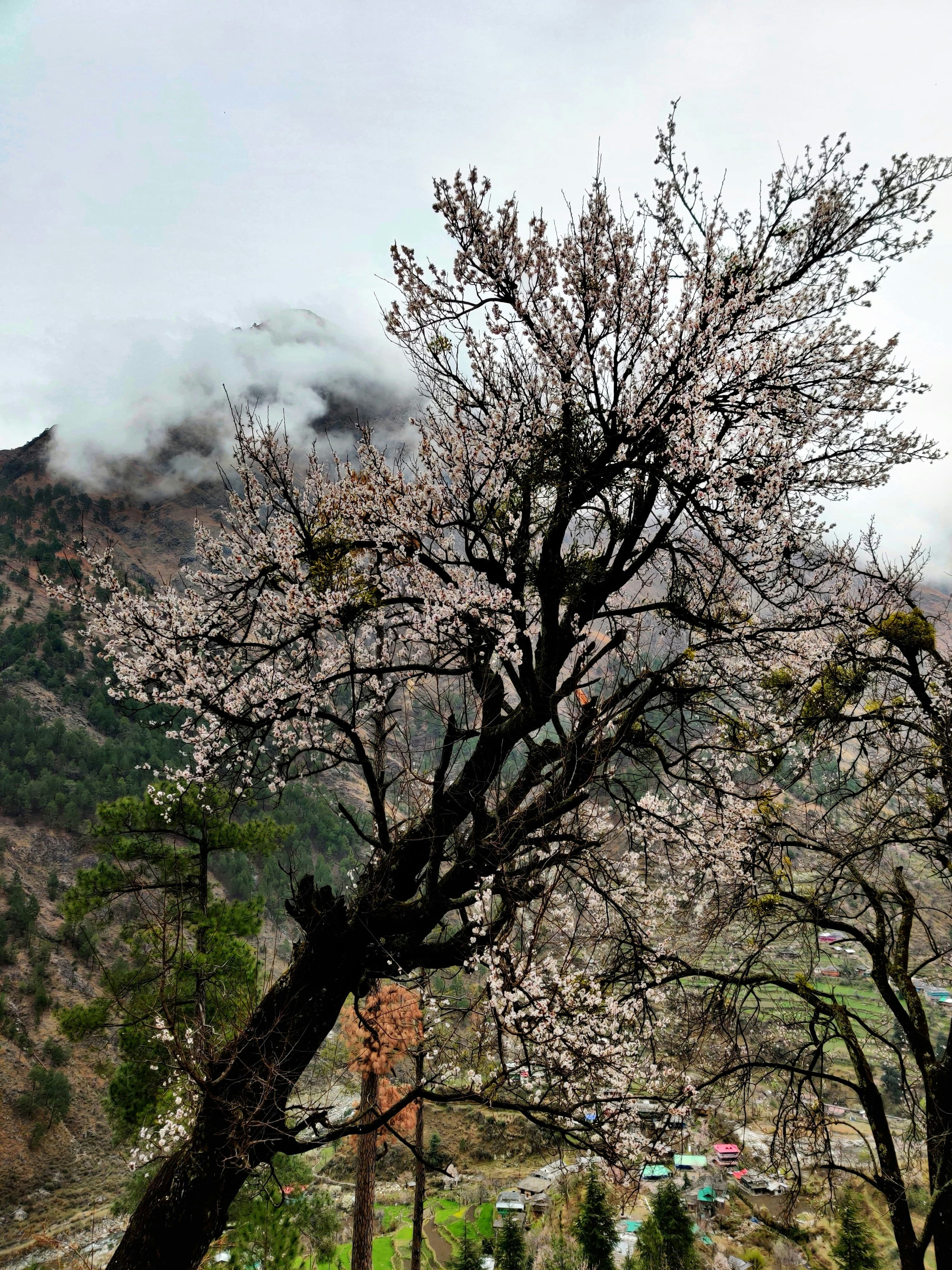
The best time to visit Japan depends on what you want to experience—cherry blossoms, vibrant summer festivals, fiery autumn foliage, or powdery winter snow. This guide breaks down Japan weather by month, outlines Japan travel seasons, and helps you plan around cherry blossom season in Japan, typhoons, heat, and holiday crowds.
Best Time to Visit Japan: Quick Answer
For most travelers, the sweet spots are spring (March–May) and autumn (October–November). Spring brings mild weather and iconic blossoms; autumn offers comfortable temperatures and spectacular koyo (fall foliage). Summer (June–August) is lush and festival-filled but humid, while winter (December–February) is ideal for onsen retreats and world-class skiing in Hokkaido and the Japanese Alps.
Because Japan stretches from subtropical Okinawa to snowy Hokkaido, regional differences are significant. Always cross-check local forecasts with the Japan Meteorological Agency before you finalize plans.
Japan Weather by Month and Travel Seasons
Use this month-by-month overview to match weather, festivals, and crowd levels to your travel style. Note: the June–July rainy season (tsuyu) affects most of Honshu, Shikoku, and Kyushu but typically not Hokkaido; typhoons are most likely August–October, especially in southern and coastal areas.
| Month | Season | Typical Weather | Highlights & Crowd Level |
|---|---|---|---|
| January | Winter | Cold; snow in north/mountains; clear in cities | Top skiing; New Year closures early month; low crowds after |
| February | Winter | Very cold; best powder in Hokkaido/Alps | Snow festivals; good prices; romantic onsen trips |
| March | Early Spring | Milder; blossoms start southward | Rising demand; early sakura in Kyushu/Shikoku |
| April | Spring | Mild, pleasant; peak blossoms in many cities | Very crowded during sakura and Golden Week lead-up |
| May | Late Spring | Warm, comfortable; fresh greenery | Golden Week (late Apr–early May) peak crowds/prices |
| June | Early Summer | Humid; rainy season in much of Japan | Lush gardens; fewer tourists; bring rain gear |
| July | Summer | Hot, humid; rain easing late month; mountains cooler | Gion Matsuri, beach season starts; school holidays begin |
| August | Summer | Very hot; possible typhoons | Obon travel rush; fireworks festivals; high crowds |
| September | Late Summer | Warm; typhoon risk persists | Quieter after holidays; early autumn at high elevations |
| October | Autumn | Mild, clear; humidity drops | Great hiking; foliage begins north/highlands; moderate crowds |
| November | Autumn | Cool, crisp; foliage peaks in many regions | One of the best months; book early |
| December | Early Winter | Chilly; snow starts in north; clear city days | Illuminations; busy around Christmas–New Year |
For detailed, up-to-date climate information by region, consult the Japan Meteorological Agency (JMA).
Cherry blossom season in Japan
Cherry blossoms typically open from late March to early April across central Japan (Tokyo, Kyoto, Osaka), later in the north (late April–early May in Hokkaido), and much earlier in the south (January–February in Okinawa). Peak bloom often lasts about one week in each location, so flexibility helps. Hanami picnics are a cherished custom—be respectful, pack out trash, and avoid staking large areas with tarps unless permitted.
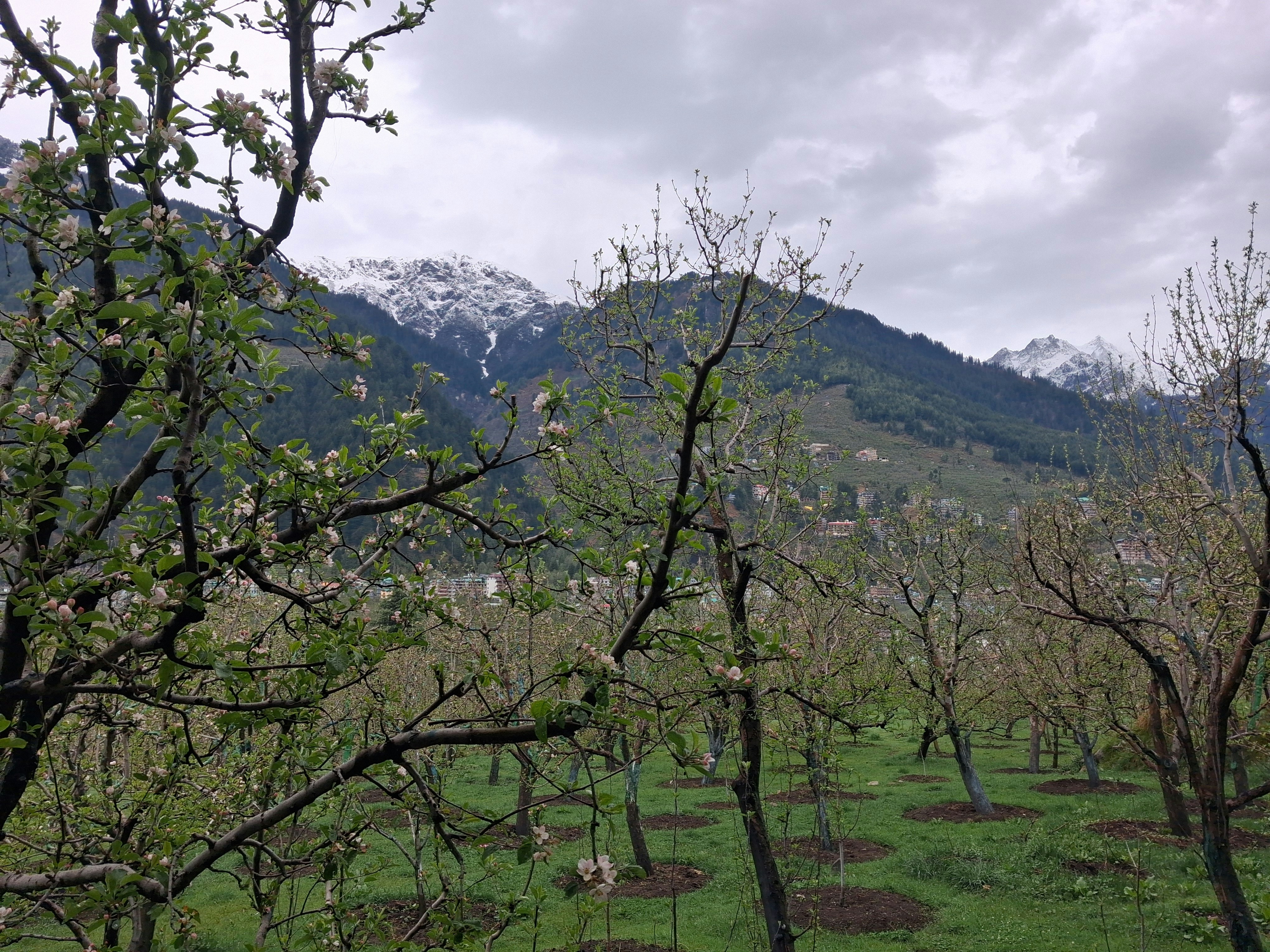
Because forecasts can shift, check official updates via the Japan National Tourism Organization and local city tourism boards as your dates approach. Expect premium pricing and packed trains during peak bloom and Golden Week.
Suggested itineraries by season
- Spring (7–10 days): Tokyo (Ueno Park, Asakusa), day trip to Kawagoe or Kamakura; Kyoto temples and Philosopher’s Path; Nara or Arashiyama; finish in Osaka for food. Reserve hotels and long-distance trains early.
- Summer (8–12 days): Tokyo festivals and fireworks; alpine escape to Nagano or Kamikochi; Hiroshima & Miyajima; beach time in Enoshima or the Okinawa islands for snorkeling.
- Autumn (7–10 days): Tokyo → Nikko for foliage; Kanazawa gardens; Kyoto and Himeji; Koyasan for temple stay. Target late Oct–late Nov for best colors depending on latitude/elevation.
- Winter (7–10 days): Sapporo and Niseko for snow; Hakodate night views; back to Tokyo for museums and illuminations; optional onsen in Hakone or Kusatsu.
Practical planning tips
Getting around
- Shinkansen and JR lines: Fast, reliable for city-to-city travel. Consider a Japan Rail Pass if taking multiple long-distance trips within 7–21 days.
- IC cards (Suica/PASMO/ICOCA): Tap-and-go for trains, subways, buses, and convenience stores. See JR East’s Suica overview.
- City subways: Tokyo’s network is extensive; trip-planning maps at Tokyo Metro.
Accommodation
- Book 3–6 months ahead for sakura, Golden Week, Obon (mid-August), and peak foliage.
- Try a ryokan with kaiseki dinner and onsen in Hakone, Kinosaki, or Nyuto for winter or shoulder-season stays.
Budget estimates (per person, per day)
- Budget: ¥8,000–¥12,000 (hostels/business hotels, casual eats, local transit)
- Mid-range: ¥15,000–¥25,000 (3–4★ hotels, some paid attractions, shinkansen)
- Upscale: ¥30,000+ (4–5★ hotels/ryokan, fine dining, private experiences)
Seasonal and safety advice
- Rainy season: Pack a compact umbrella and quick-dry layers for June–July (varies by region).
- Heat: July–August can be intense in cities; plan indoor breaks, hydrate, and wear sun protection.
- Typhoons: Most common Aug–Oct; monitor the JMA and allow buffer days.
- Snow/ice: In winter, check rail status during heavy snowfall; carry warm layers and traction footwear.
Visas and entry
Many nationalities enjoy short-term visa exemption; requirements can change. Confirm the latest rules with Japan’s Ministry of Foreign Affairs: MOFA Visa Information.
Conclusion: the best time to visit Japan for you
If you want blue-sky days and iconic scenery, spring and autumn are the best time to visit Japan. For powder runs and steamy onsen, choose winter; for festivals and beaches, embrace summer. Match your goals to the monthly weather patterns above, plan around major holidays, and verify forecasts and advisories before you go—you’ll have an unforgettable trip in any season.
FAQs
When is Japan least crowded but still pleasant weather-wise?
Late May (after Golden Week), early June before heavy rains, and late October to early November often balance comfortable weather with fewer crowds compared to peak sakura and mid-summer holidays.
How do weather patterns differ between Hokkaido and Okinawa by month?
Hokkaido has long, snowy winters and mild summers with little rainy season, while Okinawa is subtropical—early cherry blossoms (Jan–Feb), an earlier rainy season, hot summers, and higher typhoon exposure Aug–Oct.
Is the Japan Rail Pass worth it in peak seasons?
It can be if you take multiple long shinkansen trips within 7–21 days. During peak seasons, seat reservations help; compare the pass price with individual fares before buying.
What should I pack for spring and autumn trips?
Layered clothing, a light waterproof jacket, comfortable walking shoes, and a compact umbrella. Spring mornings/evenings can be cool; autumn nights can be crisp, especially in the mountains.
Can I see cherry blossoms and autumn foliage in one trip?
Not typically in the same region. However, late November may still have lingering foliage in the south while early blooms appear in subtropical Okinawa in January–February, so plan separate seasonal trips for the best experience.