
Wildlife Holidays: Expert Guide to Destinations, Seasons and Ethical Travel
Dreaming of close-up encounters with elephants, orangutans, whales or penguins? Wildlife holidays bring you into the heart of nature, pairing bucket-list sightings with conservation-minded travel. This guide covers where to go, when to visit, how to plan responsibly, and what to pack—so your next wildlife travel adventure is as ethical as it is unforgettable.
By Daniel Foster
What Are Wildlife Holidays?
Wildlife holidays are trips designed around observing animals in their natural habitats—think big cats on the savannah, dolphins along coastal bays, or birds in pristine wetlands. The focus is on respectful viewing, guided interpretation, and experiences that deepen your connection to wild places.
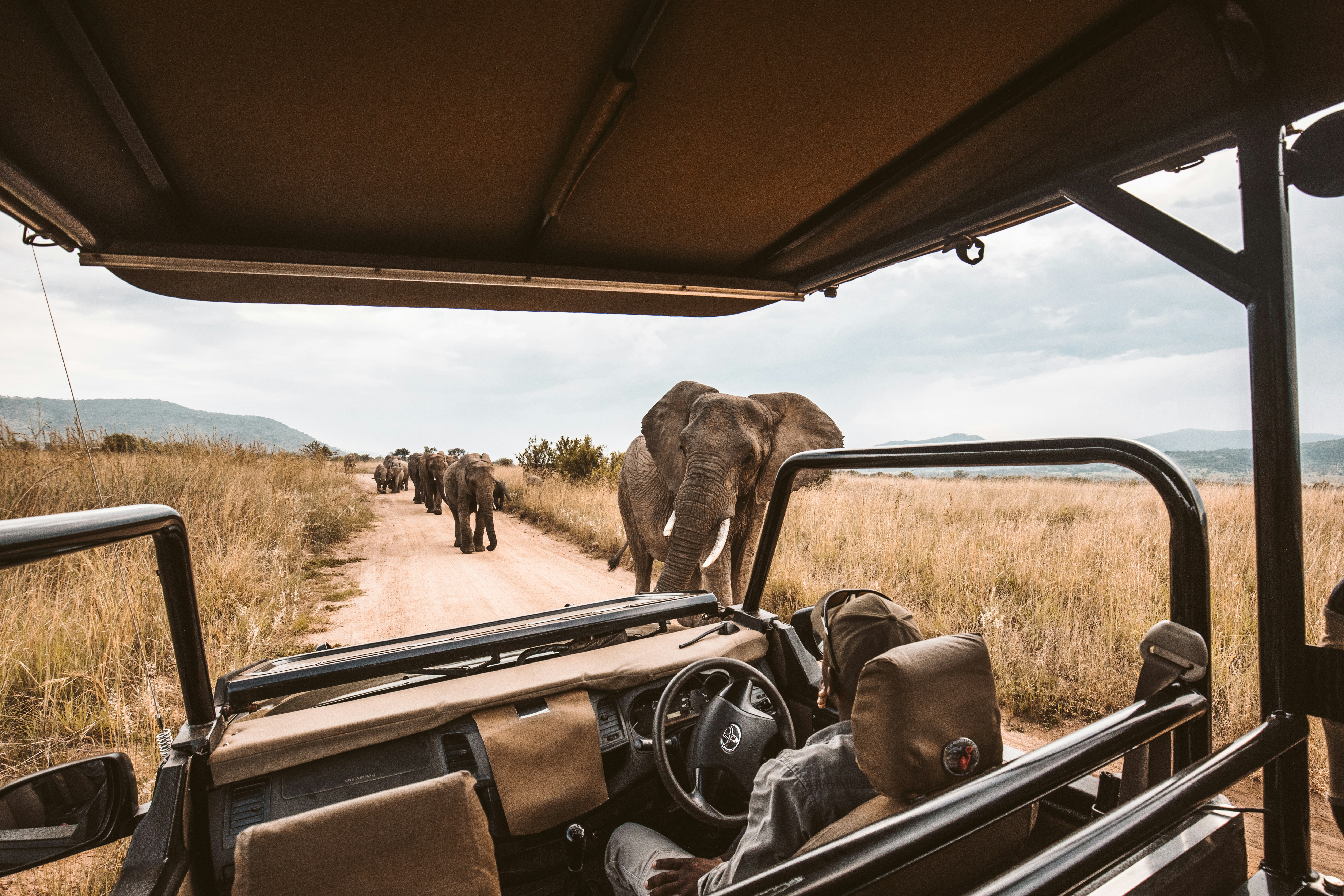
Many travelers blend wildlife tourism with cultural and scenic highlights, adding time in national parks, marine reserves, and community conservancies. Depending on your destination, you might travel by 4×4, boat, kayak, or on foot, always led by expert guides who prioritize safety and animal welfare.
Wildlife Travel vs. Safari Holidays vs. Nature Holidays
- Wildlife travel is the umbrella term for journeys centered on observing fauna and ecosystems worldwide.
- Safari holidays typically refer to guided wildlife viewing in regions like Eastern and Southern Africa, but the word Safari is also used more broadly for wildlife-focused expeditions elsewhere.
- Nature holidays emphasize time outdoors—hiking, kayaking, stargazing—often with wildlife viewing as one component.
Top Destinations for Wildlife Holidays
The best destination depends on the species and landscapes that inspire you. Below are classic regions known for outstanding wildlife viewing, diverse habitats, and well-established guiding.
Africa: Iconic Big Game and Wetland Wonders
East Africa’s savannahs are renowned for open plains, predator action, and seasonal migrations. Southern Africa adds lush wetlands, deserts, and world-class game reserves offering day and night drives, walking safaris, and water-based excursions where conditions permit.
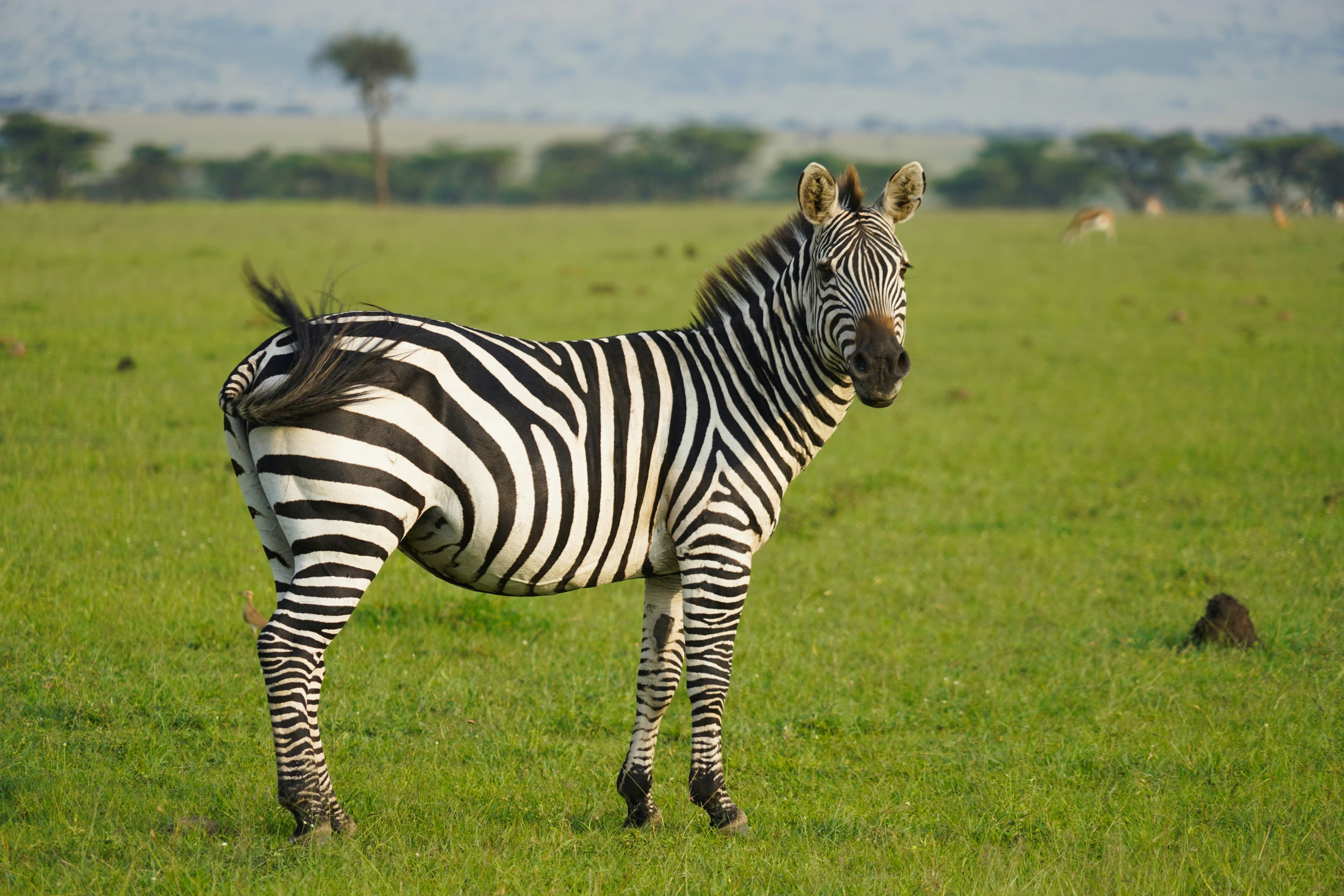
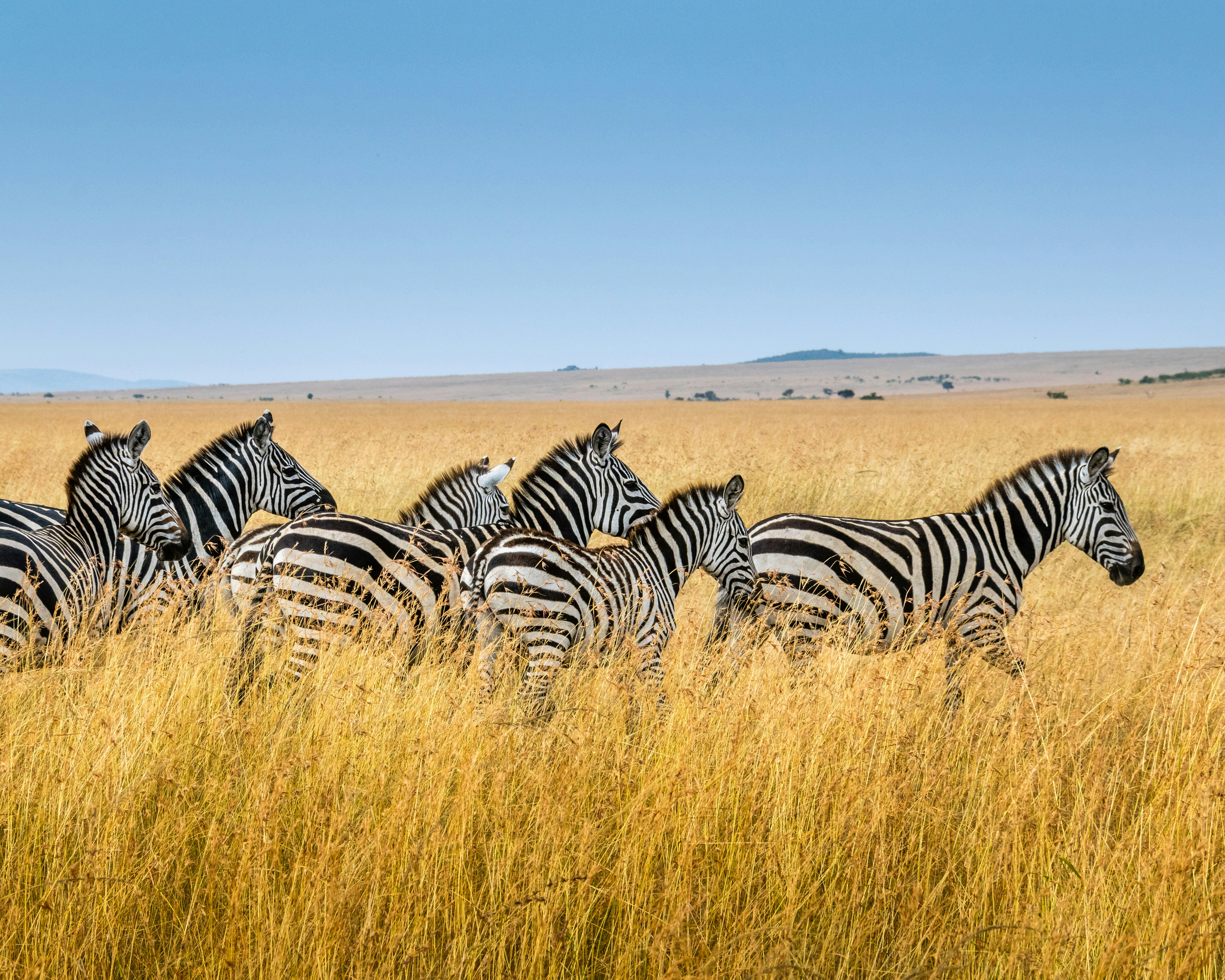
- Classic savannahs: opportunities to see elephants, lions, giraffes, zebras, and diverse antelope.
- Wetlands and deltas: exceptional birdlife and aquatic species in labyrinthine channels.
- Coastal and marine areas: seasonal whale watching and rich marine biodiversity in select regions.
Asia: Forests, Jungles, and Coral Seas
Asian wildlife holidays can include tiger and leopard tracking with expert naturalists, primate encounters in ancient rainforests, and reef-rich islands for world-class marine life. Expect lush habitats, vibrant birdlife, and culturally rich stops between park visits.
- Indian subcontinent: famed tiger reserves and biodiverse national parks.
- Southeast Asia: orangutans, proboscis monkeys, and hornbills in lowland and montane rainforests.
- Islands and reefs: manta rays, turtles, and kaleidoscopic corals for snorkelers and divers.
The Americas: Rainforests, Coasts, and High Plains
From tropical jungles to temperate mountains, the Americas host spectacular biodiversity. Rainforests brim with monkeys, sloths, and brilliant birds, while coastal regions entice with whales, dolphins, sea lions, and penguins in select latitudes.
- Tropical havens: cloud forests, mangroves, and jungle lodges for close-up nature experiences.
- Mountain and steppe: pumas, condors, and camelids in dramatic highland scenery.
- Marine hotspots: seasonal whale migrations, rich fisheries, and seabird colonies.
Europe and Oceania: Wild Isles and Remote Frontiers
Europe surprises with rewilding landscapes, rugged coasts, and thriving bird colonies, while Oceania delivers endemic species on islands, coral reefs, and expansive outback scenery. Both regions offer excellent options for photography and guided natural history walks.
Best Time to Go for Wildlife Holidays
Seasonality shapes wildlife behavior and visibility. In many savannah destinations, dry seasons mean thinner vegetation and animals clustering near water sources—often improving sightings. Green seasons can bring dramatic skies, fewer travelers, and lush backdrops, with young animals and migratory birds appearing in certain months.
In rainforests, wildlife can be active year-round, though rainfall and humidity vary. For marine life, migrations and breeding seasons determine peak viewing; local operators track these windows carefully. Ask your guide or tour specialist which months best match your target species and preferred conditions.
How to Plan Your Trip
Choose Your Trip Style
- Small-group guided tours: Social, cost-efficient, and led by naturalist guides who handle logistics and safety.
- Private guided safaris: Tailored pacing and interests—ideal for photography, families, or special occasions.
- Self-drive and lodge-based stays: Maximum flexibility in destinations that support it, with park briefings and guided activities available.
Compare Itineraries and Operators
Match your wish list to expert-led routes that balance travel time, habitat variety, and ethical practices. Browse Worldwide Wildlife Safari & Tours to review multi-day itineraries and specialist-led safaris across regions. For deals and seasonal values, check the best safari holiday packages online and compare inclusions like guiding, park fees, and internal transfers.
Budget and Booking Tips
- Prioritize guiding quality and responsible practices over sheer length of trip.
- Combine a flagship reserve with a lesser-known park for varied habitats and value.
- Travel at the shoulder of peak seasons for a balance of price, sightings, and weather.
- Confirm what’s included: park permits, activities, tips, and equipment (e.g., binoculars).
Responsible Wildlife Tourism Essentials
Ethical wildlife holidays protect the very habitats you’ve come to enjoy. Follow these principles to minimize impact and maximize positive outcomes:
- Keep safe distances; never crowd, chase, or feed animals.
- Choose operators and lodges that support conservation and local communities.
- Stick to designated trails and speed limits; limit noise, especially near nesting or denning areas.
- Avoid hands-on wildlife encounters and performances; prioritize observation in natural settings.
- Pack out litter, reduce single-use plastics, and conserve water and energy at camps and lodges.
What to Pack for Wildlife Holidays
- Lightweight, neutral-colored clothing; layers for early mornings and evenings.
- Closed footwear suitable for uneven terrain; breathable socks.
- Sun protection: wide-brim hat, sunglasses, reef-safe sunscreen, lip balm.
- Binoculars and camera with extra batteries and memory cards.
- Reusable water bottle, dry bags, insect repellent, and a small first-aid kit.
- Waterproof jacket or poncho for sudden showers; soft-sided duffel for small-plane limits where applicable.
Conclusion
From savannahs to seas, wildlife holidays immerse you in the rhythms of the natural world. Choose destinations and seasons that match your target species, work with expert guides, and travel responsibly to ensure your trip supports conservation. With thoughtful planning, your next adventure will be as sustainable as it is spectacular.
Frequently Asked Questions
What’s the difference between wildlife holidays and safari holidays?
Wildlife holidays encompass trips focused on animal encounters worldwide, on land and at sea. Safari holidays are a subset, typically guided game-viewing adventures in regions such as Eastern and Southern Africa.
How far in advance should I book a wildlife holiday?
Popular lodges and specialist guides can sell out months ahead, especially around peak wildlife events. Aim to book 6–12 months in advance for the best choice of dates and camps.
Are wildlife holidays suitable for families with children?
Yes—many lodges and guides cater to families with flexible schedules and kid-friendly activities. Confirm age limits for certain parks or activities and choose shorter drives with interactive learning.
What’s the best season for wildlife viewing?
It varies by destination and species. Dry seasons often improve visibility in savannahs, while rainforest and marine destinations depend more on migration or breeding cycles tracked by local experts.
How can I ensure my trip supports responsible wildlife tourism?
Choose ethical operators, respect animal distances, avoid hands-on encounters, and support conservation-minded lodges or community initiatives in your destination.